Your EMI may look the same on paper, but in January 2026, the rules shaping it have quietly changed. The RBI’s new co-lending framework is a reset of how Indian loans are priced, who bears the risk, and how openly your interest rate is determined. It is not buried bureaucracy. For borrowers, this signifies the end of ambiguous pricing and the start of more transparent accountability among NBFCs and banks.
For many years, co-lending operated in secret, frequently keeping borrowers in the dark about how their EMI was put together. Lenders are no longer able to pass the blame due to mandatory risk sharing and blended rates. These adjustments may have an impact on your monthly payment and the reasons behind it, regardless of whether you have a home loan or are currently repaying one.
The RBI’s revised co-lending framework, which goes into effect on January 1, 2026, gives the lending ecosystem better risk sharing, transparency, and borrower protections. These are not small adjustments; they rebalance how banks and NBFCs collaborate to make loans and, eventually, how interest expenses are borne by you.
Home Decor
Pantone Colour of the Year: How to Use It in Your Home Without Overdoing It
The Pantone Colour Institute names a shade that is popular among designers, brands, and creatives worldwide each year. The Pantone Colour Institute names a shade that is popular among designers, brands, and creatives worldwide each year. The Pantone Colour Institute names a shade that is popular among designers, brands, and creatives worldwide each year.
The twist is that many traditional homes, particularly in Indian settings, thrive on vibrancy, texture, and warmth, whereas Cloud Dancer whispers serenity. How can you respect this worldwide trend without sacrificing the character of your house?
Make It a Backdrop, Not the Headline
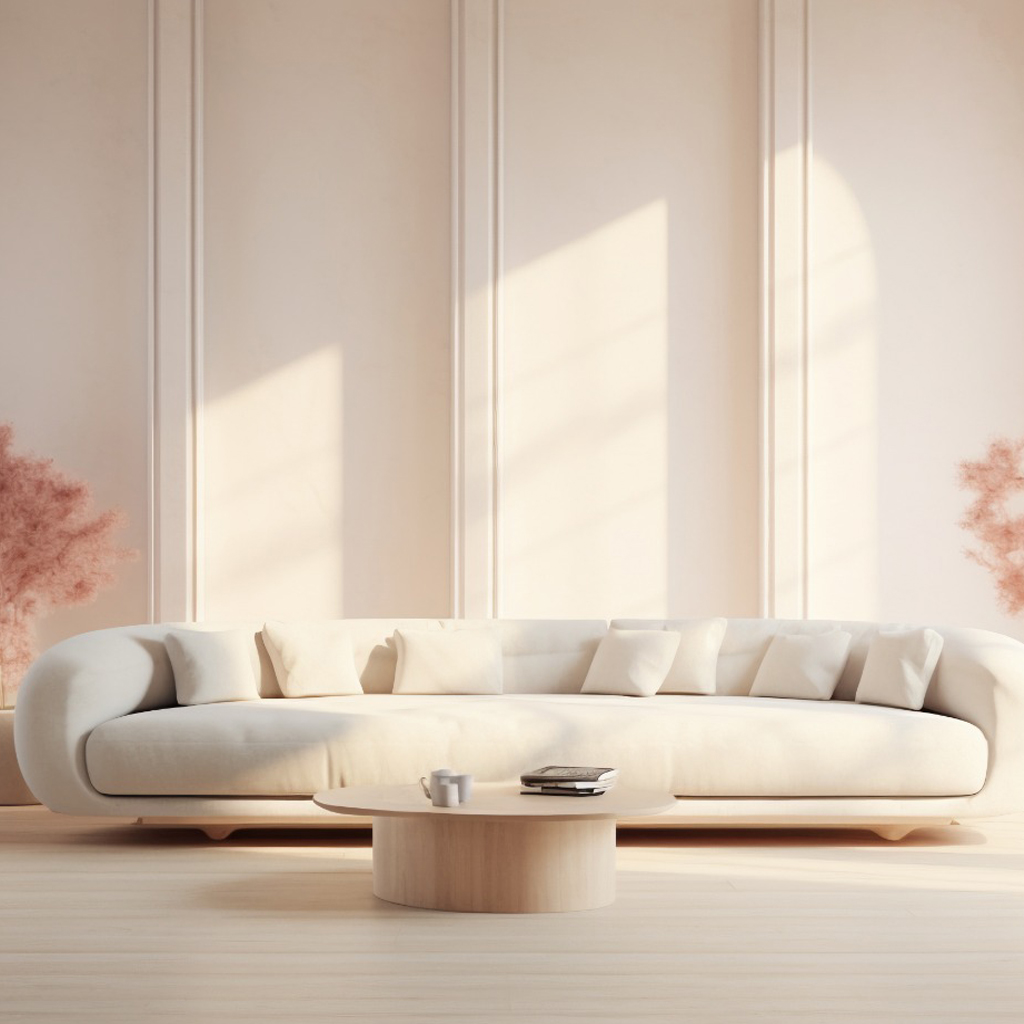
When Cloud Dancer operates in the background silently and does the heavy lifting without requiring attention, it performs its best. It softens sharp edges and reflects light beautifully on walls and ceilings, which is especially helpful in Indian homes where rooms are frequently filled with furniture, patterns, and sentimental items.
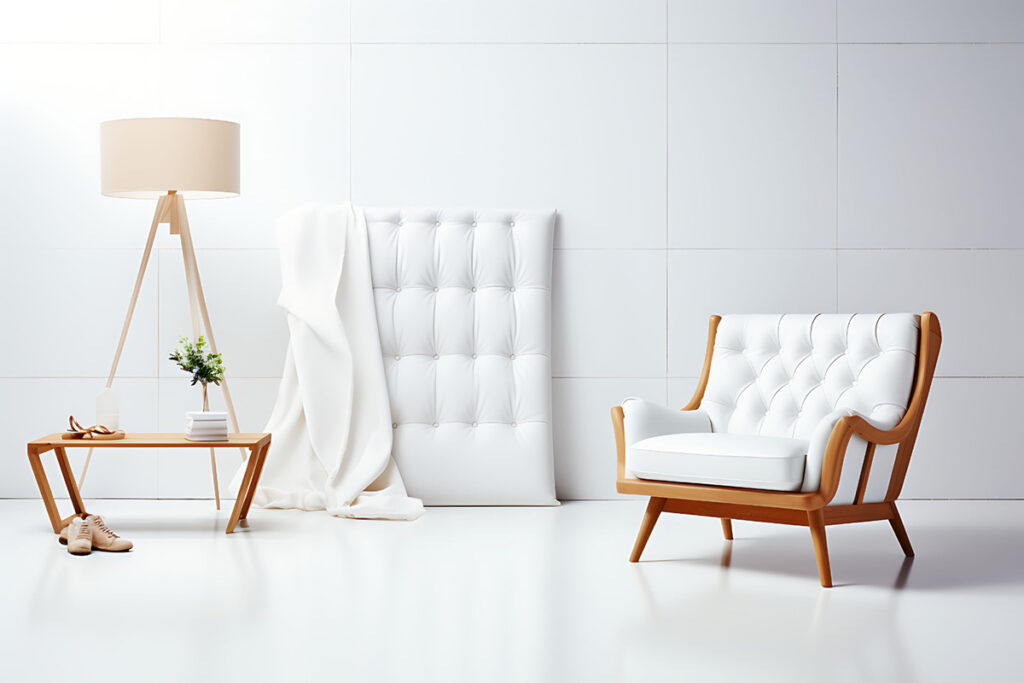
Let it frame your area rather than using it as a “statement colour.” Consider it an area for visual breathing. White doesn’t feel clinical when combined with stone finishes, cane chairs, or solid wood furniture. Without losing its cosiness, the space appears instantly more spacious, serene, and upscale.
Use Vibrant Indian Elements to Draw Attention
This is where the soul of your house resides.
When colour is carefully layered, Indian interiors come to life. Even well-known colours like turmeric, emerald, rust, and indigo seem more sophisticated against Cloud Dancer. Instead of competing for attention, a single Kalamkari cushion, a brass urli, or a hand-painted wall plate suddenly stands out.
The secret is self-control. To keep the room adaptable, let colour show up in movable items like textiles, artwork, and décor. You don’t have to dedicate your whole house to trend relevance.
Light It Right and Layer It Well
White has strong feelings. It feels flat when exposed to the incorrect light. It glows when exposed to the proper light.
Natural daylight brings out Cloud Dancer’s softness, making mornings feel open and peaceful. Warm lighting is crucial after dusk; consider wall washers, table lamps, or soft yellow LEDs. Avoid harsh white lights; they strip the colour of its warmth.
Layering light sources creates depth and intimacy. The result? A home that feels calm during the day and indulgent at night.
Use It to Calm, Not Fade Out
If your style leans bold or maximal, Cloud Dancer can act as a pause between statements. Use it in corridors, entryways, or around windows to visually reset the space. It permits contrast to be emphasised and prevents overstimulation.
In bedrooms, it promotes rest. Energy is balanced in living rooms. When used carefully, it never blends in with the surroundings; instead, it serves as an anchor.