Your EMI vs Your Lifestyle: The Trade-Off Nobody Talks About
Homeownership has been marketed as the ultimate financial achievement for many years.
A sign of steadiness. A marker of success. An indication that you’ve “made it” at last
And that belief is still true to some extent. Long-term wealth, emotional stability, and protection against growing housing costs are all benefits of property ownership.
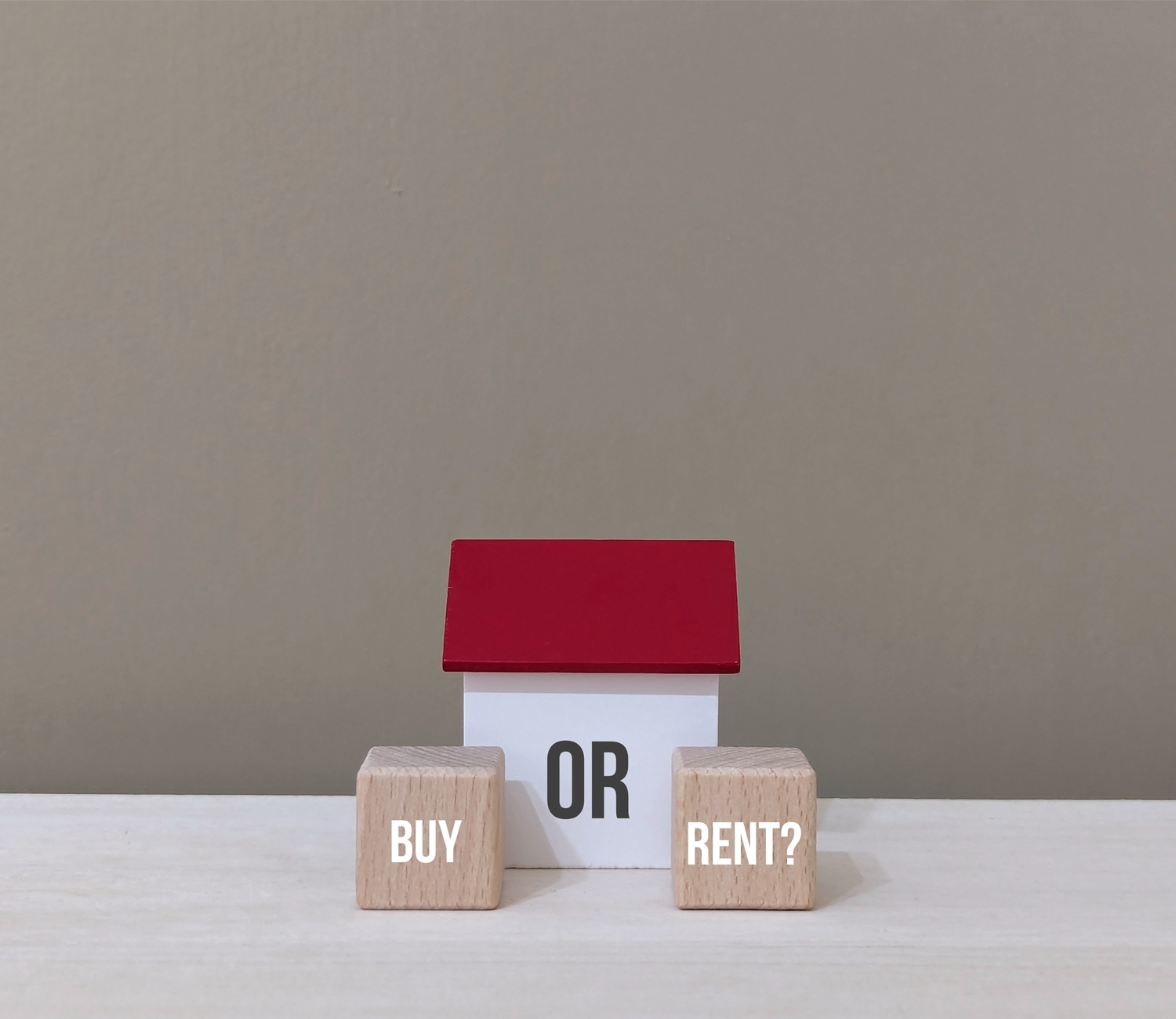
It dictates the type of life you will lead while paying for it. The true trade-off is that. Not rent versus property. But lifestyle versus EMI.
And managing that balance is getting harder for an increasing number of urban professionals.
The Modern Financial Reality: Income Has Grown, But So Has Pressure
Professionals in the workforce today make more money than those in earlier generations at the same age.
They also have much greater financial responsibilities at the same time. The cost of housing has increased dramatically in all major cities. Expectations for lifestyle have increased. There is no longer any friction in financing. Furthermore, long-term debt has become so commonplace due to easy access to credit that we hardly ever question it.
Consequently, home loans are no longer the only source of EMIs.
EMIs are offered for:
However, the home loan continues to be the biggest and most emotionally charged financial commitment of all of them.
The main reason is that it feels accountable. People frequently underestimate its long-term effects because of this.
The Problem Isn’t Buying Property. It’s Overcommitting to It.
Most people ask, “Can I afford this EMI?” when purchasing a home.
The answer seems to be yes if the loan is approved by the bank. However, banks evaluate repayment ability rather than comfort.
And that’s the distinction.
On paper, a high EMI might seem manageable, but once it consumes 40–50% of monthly income, everything else vies for the remaining funds:
This is how financial stress starts: ongoing pressure on monthly cash flow rather than a single, significant crisis.
The Hidden Cost of a Large EMI Is Reduced Freedom
Loss of flexibility is one of the most often disregarded effects of a large home loan.
People frequently overlook the importance of financial flexibility until it vanishes because it is hard to quantify.
An EMI that is manageable permits:
An aggressive EMI has the opposite effect. It compels consistency.
All career choices are suddenly linked to monthly repayment obligations. Risk tolerance declines. There is a rise in professional discontent. Additionally, survival rather than growth becomes the focus of financial planning.
Ironically, a lot of people buy homes in order to feel secure, but they end up becoming more reliant on steady income than ever before.
The Rise of the “Asset-Rich, Cash-Flow-Poor” Household
This is becoming more prevalent among professionals with high incomes.
The financial profile looks impressive at first glance:
However, liquidity is poor underneath
The majority of monthly income is distributed prior to the start of the month. This leads to a hazardous imbalance. Because ownership is not the only aspect of wealth. It has to do with resilience, flexibility, and liquidity.
However, visible wealth is typically rewarded far more by social validation than sustainable wealth.
Why High Salaries Don’t Always Translate Into Financial Comfort
When taking out big home loans, one of the most common misconceptions is this:
“The EMI will be easier with my future pay increases.”
That makes sense in theory. In actuality, lifestyle inflation typically coincides with income growth.
Expenses change in tandem with earnings:
This leads to a vicious cycle in which, despite increasing income, financial strain persists.
This explains why a lot of high earners still experience financial strain. The problem is not a lack of income. The fixed obligations are excessive.
Property Can Build Wealth
Owning a property isn’t always a bad financial decision. Actually, one of the best long-term asset classes for capital appreciation and wealth preservation is still real estate.
But problems arise when property ownership comes at the cost of:
A sound financial ecosystem should include a home. Not the whole ecosystem.
Other important financial objectives start to suffer in silence when the majority of disposable income is invested in a single illiquid asset. Moreover, property is not as liquid as the stock market and it is not easy to sell in case of emergency.
The Smarter Way to Think About Property
The better question to ask before buying a house is not:
“How much of a loan can I get?”
However:
“What kind of life will remain after paying this EMI every month?”
That change completely alters decision-making. Even so, a sound financial decision should allow for:
The property might be financially feasible but strategically unhealthy if an EMI removes all of those factors.
Final Thoughts
For many people, owning a home is a meaningful goal, but financial ambition frequently results in overstretching. Financial peace is the ultimate goal; a larger loan or higher EMI isn’t always preferable. The goal of money is to improve quality of life, freedom, and stability. Purchasing a home is one financial decision that should move you closer to that, not farther away.
Home Decor
Summer Holiday Vibes: Vacation-Inspired Décor Ideas
There’s no denying that summer vacations are refreshing.
Perhaps we are instantly made to feel lighter and more at ease by the serenity of a beachside stay, the cosiness of sunlit interiors, or the effortless elegance of boutique resorts. Vacations frequently provide us with more than just a respite from daily life; they foster a sense of ease, comfort, and escape.
Fortunately, you don’t have to reserve an opulent vacation to feel that way.
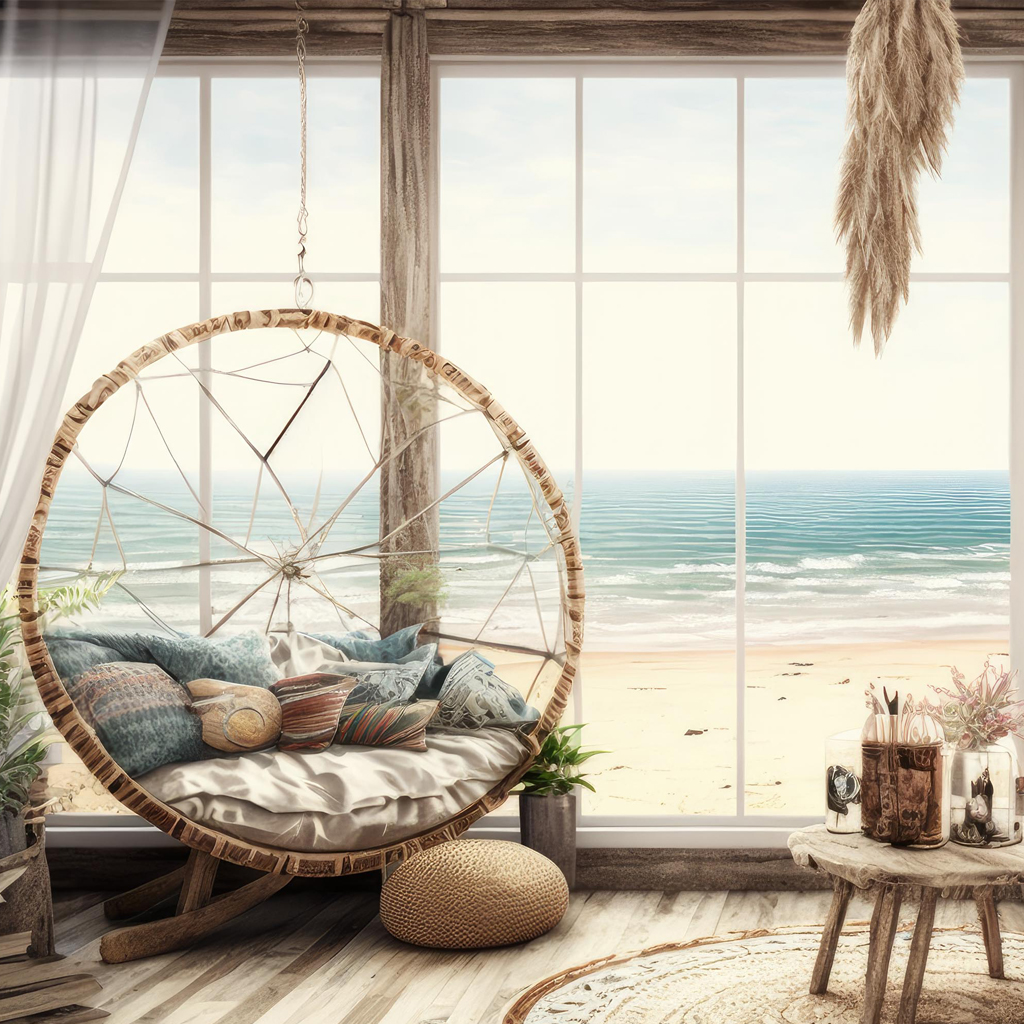
Your house can capture the same carefree vibe and transform ordinary areas into a summer retreat with a few well-considered décor adjustments. The goal of vacation-inspired décor is to make spaces feel lighter, calmer, and cosier through the use of airy textures and tropical accents
Here’s how to make your house feel like a summer vacation this year.
Start With a Light and Airy Colour Palette
Soft, breathable colours are a key component of vacation-inspired interior design.
Shades that reflect natural light and create an air of openness are frequently used in luxury resorts and coastal residences. Think:
During the warmer months, these colours instantly give a space a feeling of coolness, spaciousness, and visual tranquillity.
A total makeover isn’t always necessary. A room’s mood can be significantly changed without much work by making small changes to cushion covers, bed linens, throws, rugs, or curtains.
Instead of using a lot of decoration, the goal is to create a laid-back atmosphere.
Bring Natural Materials Into the Space
Summer-inspired décor revolves around natural textures.
Rattan, cane, bamboo, linen, jute, and light-colored wood are examples of materials that can produce an organic warmth that feels sophisticated and carefree.
Tropical villas and boutique resorts often have a very cosy look because they balance simplicity and texture.
A cane chair, woven basket, linen curtain, or jute rug can all quickly soften a room and create a carefree holiday atmosphere. Even if lighter fabrics are used instead of heavier ones, interiors can still feel seasonally refreshed.
Natural décor also looks fantastic because it feels traditional rather than fashionable.
Let Natural Light Take Center Stage
More quickly than anything else, natural light transforms a space.
Because sunlight naturally makes interiors feel more airy and expansive, vacation homes and luxury accommodations are frequently designed to maximise brightness. In the summer, a room can be immediately made more airy by swapping out heavy curtains for sheer materials. Mirrors can also reflect light, giving the impression that small spaces are bigger and more airy.
Avoid packing your home’s balconies and large windows with too much furniture. Allow the light to move freely through the room. Not only does a bright home look better, but it also feels lighter on the inside.
Subtly Add Tropical and Coastal Accents
When vacation-inspired décor feels sophisticated rather than overly themed, it works best.
Focus on understated accents rather than overpowering your room with bright tropical prints:
A fresh summertime atmosphere is also greatly enhanced by indoor plants. Monstera, areca palm, peace lily, and snake plant are examples of plants that add natural vibrancy and enhance the atmosphere of a room.
The objective is to capture the serene and laid-back spirit of a beach resort rather than to physically recreate it.
Create a Summer-Ready Balcony or Corner
A sizable outdoor space is not necessary to create an escape reminiscent of a vacation.
With the correct styling, even a tiny balcony, reading nook, or unused corner can become a peaceful summer space.
Simple additions like:
Can immediately give the area a more purposeful and welcoming feel.The same cosy ambiance frequently found in vacation cafés and outdoor resorts can be created in the evening by adding soft ambient lighting.
This works particularly well for urban homes with little outdoor space for leisure.
Focus on Comfort Over Perfection
The majority of memorable vacation spots share the trait of never feeling unduly formal.
They feel at ease. People are encouraged to slow down and relax in an atmosphere created by soft textures, uncluttered styling, breathable fabrics, and relaxed seating.
Additionally, summer is the ideal season for visual decluttering. Interiors can feel crowded and heavy if there are too many accessories, dark furniture, or large décor pieces.
Use Fragrance to Complete the Experience
Décor is more than visual. It is sensory.
Signature scents are often used in luxury hotels and holiday stays to create memorable experiences. The same idea works wonderfully in the home.
Candles, diffusers, and fresh flowers create a more immersive and relaxing setting that feels truly vacation-inspired.
Final Thoughts
The trend towards summer décor is less of a trend and more of a feeling
Lightness. Warmth. Comfort. Escape. The best holiday spaces make us feel relaxed without trying too hard. Injecting that same energy into your home doesn’t require expensive renovations or dramatic changes.
A few thoughtful details, such as softer colours, natural textures, better lighting, and calming accents, can completely transform the way a space feels.
In the end, a summer vacation is about more than just where you go. It has to do with how a room makes you feel.
And your house can become that haven every day with the correct décor selections.